

ในด้านความต้านทานการสึกหรอทางอุตสาหกรรม แผ่นเหล็กที่ทนต่อการสึกหรอแบบซ้อนทับและแผ่นเหล็กที่ทนต่อการสึกหรอแบบคอมโพสิตเป็นวัสดุสองชนิดที่ใช้กันอย่างแพร่หลาย แม้ว่าทั้งสองจะมี "ความต้านทานการสึกหรอ" เป็นคุณลักษณะหลัก แต่ก็มีความแตกต่างอย่างมีนัยสำคัญในหลักการผลิต ข้อได้เปรียบด้านประสิทธิภาพ และสถานการณ์ที่เกี่ยวข้อง บทความนี้จะทำการวิเคราะห์เชิงเปรียบเทียบจากมิติสำคัญ 6 มิติ โดยให้ความชัดเจน
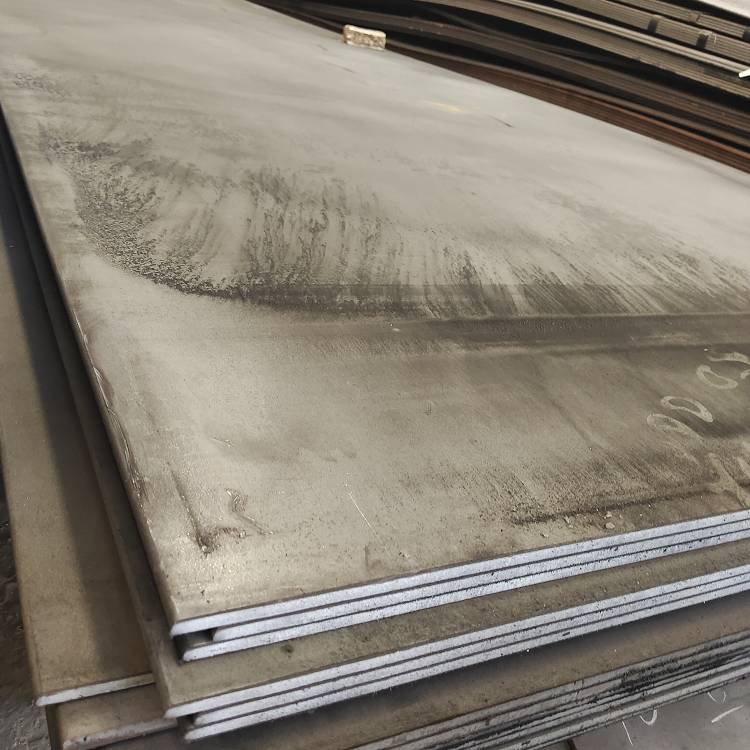
references for material selection in fields such as equipment manufacturing, mining, and building materials processing.
กระบวนการผลิต: ความแตกต่างที่สำคัญจาก "การสะสม" ถึง "คอมโพสิต"
ความแตกต่างหลักระหว่างแผ่นเหล็กทั้งสองประเภทอยู่ที่กระบวนการผลิต ซึ่งเป็นตัวกำหนดรากฐานด้านโครงสร้างและประสิทธิภาพโดยตรง
(1) การเชื่อมแผ่นเหล็กที่ทนต่อการสึกหรอ: "การสะสมของชั้น" เพื่อสร้างชั้นที่ทนต่อการสึกหรอ
Welding wear-resistant steel plates are made of ordinary low-carbon steel or low-alloy steel as the substrate (ensuring toughness and weldability), and high hardness wear-resistant alloy materials (such as high chromium cast iron and tungsten carbide alloy) are deposited layer by layer on the surface of the substrate through the "welding process".
Process characteristics: Adopting submerged arc welding, open arc welding and other methods, the wear-resistant layer is metallurgically bonded with the substrate (atomic level fusion), with no obvious interface; The thickness of the wear-resistant layer can be adjusted according to the needs (usually 3-20mm), and in some scenarios, multi-layer welding can be achieved to improve wear resistance.
Core requirement: Strictly control the welding temperature and cooling rate to avoid deformation of the substrate due to high temperature, while ensuring that the wear-resistant layer is free of defects such as cracks and pores.
(2) แผ่นเหล็กทนต่อการสึกหรอแบบคอมโพสิต: "คอมโพสิตแรงดันสูง" ทำให้เกิดการยึดเกาะระหว่างชั้น
Composite wear-resistant steel plate is formed by combining two or more layers of metal, namely the wear-resistant layer (working surface) and the substrate (base layer), through a "composite process", commonly known as "bimetallic composite".
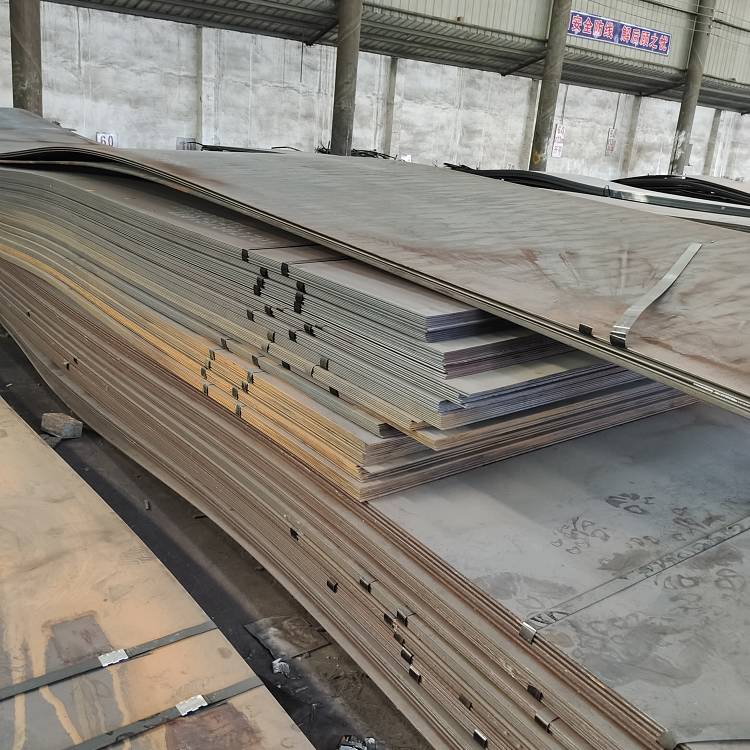
Process characteristics: The mainstream process is "explosive composite" or "hot rolling composite" - explosive composite utilizes the high pressure generated by explosive detonation to instantly bond the wear-resistant layer (such as high hardness alloy steel plate, ceramic particle plate) with the substrate (low carbon steel/low alloy steel); Hot rolled composites achieve interlayer metallurgical bonding through high-temperature rolling pressure. Both are mechanical and metallurgical composites, with clear interlayer interfaces (but high bonding strength).
ข้อกำหนดหลัก: จำเป็นต้องตรวจสอบให้แน่ใจว่าชั้นที่ทนต่อการสึกหรอและพื้นผิวมีการยึดเกาะ หลีกเลี่ยงการลอกระหว่างชั้น และดำเนินการปรับระดับหลังการเคลือบเพื่อควบคุมความเรียบของบอร์ด


