

Introduction to Wear-Resistant Steel Plates
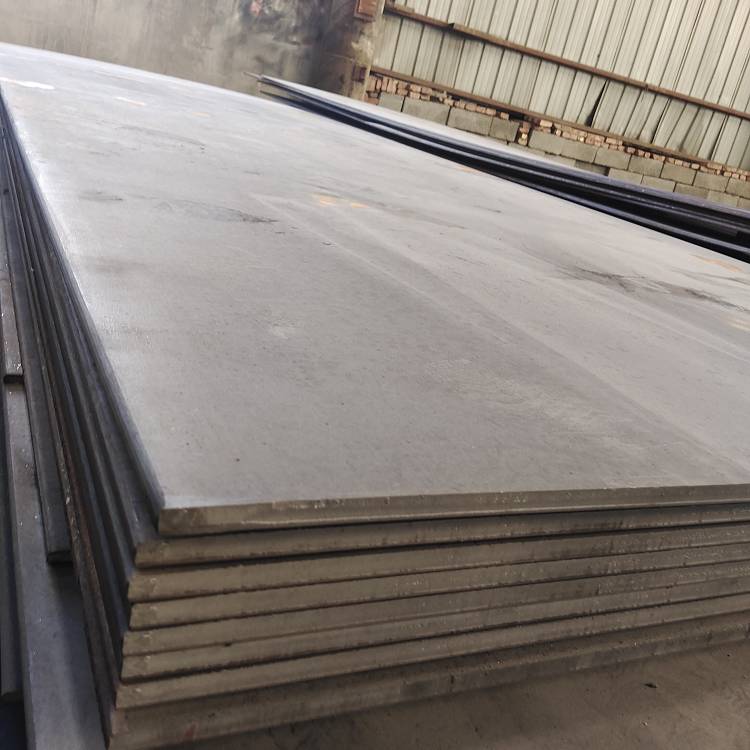
Wear-resistant steel plates are essential in industries where abrasion, impact, and harsh conditions degrade equipment quickly. These plates are engineered to extend the lifespan of machinery in mining, construction, cement production, and material handling.
Choosing the right material for wear-resistant steel plates depends on factors such as hardness, toughness, weldability, and cost-effectiveness. This guide explores the best materials, maintenance procedures, performance testing, and care recommendations.
Best Materials for Wear-Resistant Steel Plates
Different alloys and treatments enhance the durability of wear-resistant steel. Below are the most common materials used:
1. High-Carbon Steel (AR Plate – Abrasion Resistant)
- Composition: High carbon content (0.20%–1.00%) with added manganese, chromium, and boron.
- Hardness: 350–600 HB (Brinell Hardness).
- Applications: Excavator buckets, dump truck liners, crusher parts.
- Advantages: Excellent abrasion resistance, cost-effective for moderate wear conditions.
2. Chromium Carbide Overlay (CCO) Steel
- Composition: Steel base with a welded overlay of chromium carbide (up to 30% Cr).
- Hardness: 55–65 HRC (Rockwell Hardness).
- Applications: Chutes, hoppers, and slurry pipelines.
- Advantages: Superior resistance to extreme abrasion and corrosion.
3. Hardox Steel (Quenched & Tempered Steel)
- Composition: Low-alloy steel with precise heat treatment.
- Hardness: 400–600 HB.
- Applications: Mining equipment, recycling plants, heavy machinery.
- Advantages: High impact resistance, good weldability, and uniform hardness.
4. Tungsten Carbide-Enhanced Steel
- Composition: Tungsten carbide particles embedded in a steel matrix.
- Hardness: 60–70 HRC.
- Applications: Drilling tools, cutting edges, and high-wear components.
- Advantages: Extreme wear resistance but higher cost.
5. Martensitic Steel (NM Series)
- Composition: High-strength steel with martensitic microstructure.
- Hardness: 450–550 HB.
- Applications: Bulldozer blades, grader blades, and earth-moving equipment.
- Advantages: Good balance between hardness and toughness.
Comparison Table of Wear-Resistant Steel Materials
| Material Type | Hardness (HB/HRC) | Key Alloys | Best Applications | Cost Level |
|---|---|---|---|---|
| High-Carbon (AR) | 350–600 HB | C, Mn, Cr | Buckets, liners | $$ |
| Hardox Steel | 400–600 HB | Mn, Si, B | Mining, recycling | $$$ |
Maintenance and Repair of Wear-Resistant Steel Plates
Proper maintenance ensures longevity and optimal performance. Below are key repair and maintenance steps:
1. Inspection and Damage Assessment
- Check for cracks, deformation, or excessive wear.
- Use ultrasonic testing (UT) or magnetic particle inspection (MPI) for hidden defects.
2. Welding and Repair Techniques
- Preheating (150–300°C): Prevents cracking in high-carbon steels.
- Low-Hydrogen Electrodes: Recommended for welding Hardox and AR plates.
- Post-Weld Heat Treatment (PWHT): Reduces residual stresses.
3. Surface Hardening (If Needed)
- Flame hardening or induction hardening can restore surface hardness.
4. Replacement Guidelines
- Replace plates if wear exceeds 30–50% of original thickness to avoid structural failure.
Recommended Maintenance Frequency
| Component | Inspection Frequency | Maintenance Action |
|---|---|---|
| Excavator Buckets | Every 500 hours | Weld repair, hardfacing |
| Crusher Liners | Every 3 months | Replace worn sections |
| Conveyor Chutes | Monthly | Check for cracks, reapply overlay |
| Dump Truck Beds | Every 6 months | Reinforce high-wear zones |


