

General Export Compliance
Round steel exports must adhere to the destination country’s material standards, including chemical composition, mechanical properties, and dimensional tolerances. Exporters must ensure products meet specifications such as ASTM (U.S.), EN (Europe), or GB/T (China), with documentation like mill test certificates and heat treatment reports.
Tax and Customs Regulations
Stricter tax policies, like China’s 2025 export rules, require full VAT and consumption tax payment for steel exports, regardless of shipment method. Exporters must verify tax registration and submit mandatory certificates (e.g., Entrusted Export Goods Certificate for agent-shipped goods) to avoid penalties or customs delays.
Material Certification
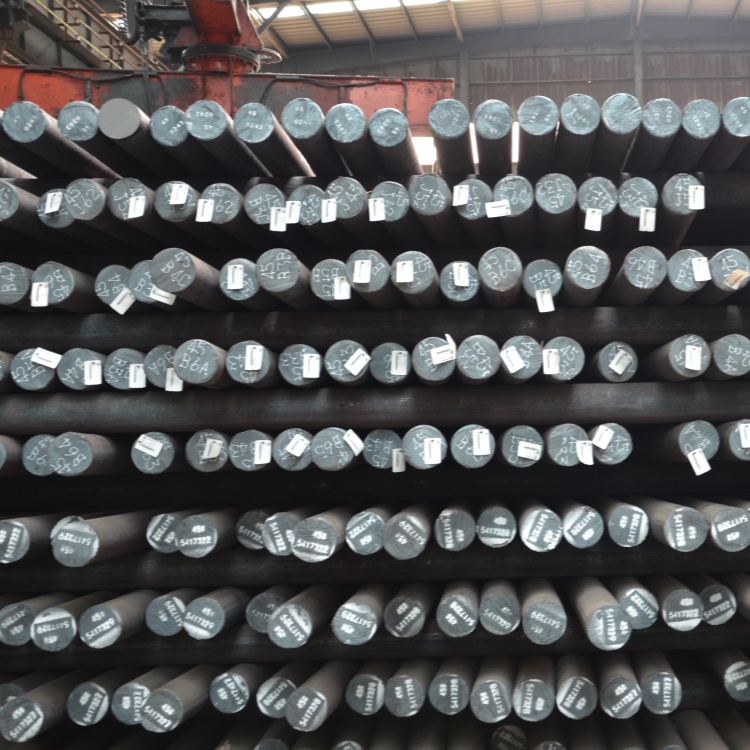
Cold-finished round steel bars for export typically require certification under standards like ASTM A108, which specifies tolerances, surface conditions, and machinability. Hot-rolled spring steel rounds (e.g., GB/T 1222-2016) must comply with extended diameter ranges (up to 120mm) and tightened decarburization layer limits.
Quality and Testing Requirements
Exported round steel must pass mechanical tests (tensile strength, hardness) and non-destructive inspections (ultrasonic, macro-defect checks). Standards like GB/T 1222-2016 mandate stricter nonmetallic inclusion controls and oxygen content limits for alloy grades.
Packaging and Labeling
Bundled or coiled round steel must be marked with grade, size, heat number, and manufacturer details. Packaging should prevent corrosion during transit, using waterproof materials or anti-rust coatings. Compliance with international shipping regulations (e.g., IMDG codes for hazardous alloys) is essential.
Trade Documentation
Exporters must submit commercial invoices, packing lists, and certificates of origin. For markets like Hong Kong, phased electronic platforms (e.g., Trade Single Window) streamline declarations for cargo clearance, requiring advance submission of transport and duty-related documents.
This summary highlights critical export considerations, emphasizing compliance with evolving tax laws, material standards, and logistics protocols.


