

-
General Definition and Classification Round steel is a solid long steel bar with a circular cross-section, typically specified by diameter. It is produced in three main forms: hot-rolled, forged, and cold-drawn. Hot-rolled round steel is commonly supplied in smaller diameters (5.5–25mm) for reinforcing bars or fasteners, while larger diameters (>25mm) are used for structural components, machinery parts, or pipe billets.
-
Material Composition and Properties Round steel is primarily made from carbon structural steel, including low-carbon (0.10–0.30% C), medium-carbon (0.25–0.60% C), and high-carbon grades. Low-carbon
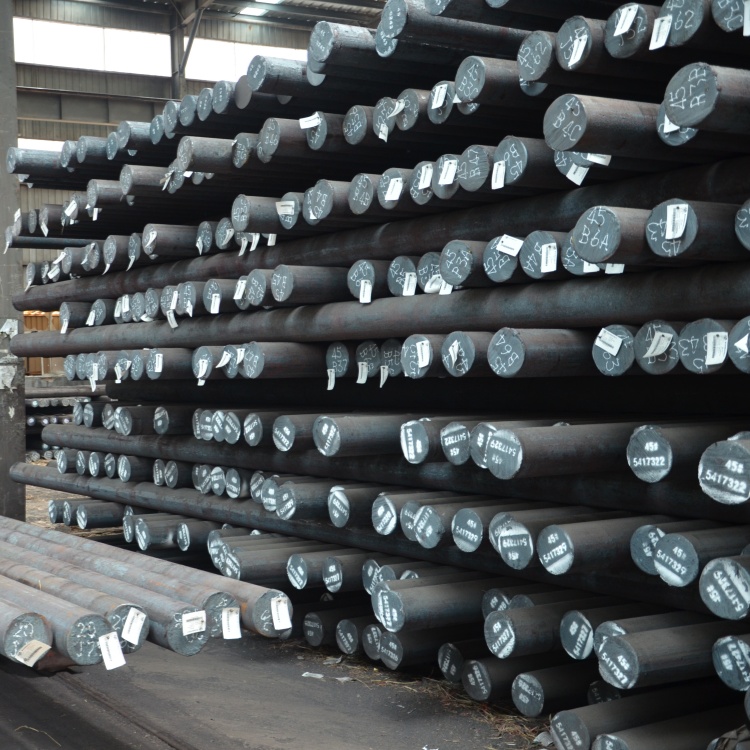
steel is ductile and used for bolts and shafts, while medium-carbon steel offers a balance of strength and toughness. Stainless steel round bars provide corrosion resistance and are used in harsh environments.
-
International Standards Round steel is governed by various global standards, including:
- ASTM (USA): ASTM A276 (stainless steel), ASTM A484 (general requirements).
- EN (Europe): EN 10088-3 for stainless steel.
- JIS (Japan): JIS G4303 (stainless), JIS G4318 (tool steel).
- GB/T (China): GB/T 1220 (stainless), GB/T 8163 (seamless pipes).
-
Construction Applications Round steel is widely used in construction for reinforcing concrete structures, such as beams, columns, and foundations. Its high strength and ductility improve load-bearing capacity and seismic resistance in buildings, bridges, and infrastructure projects.
-
Industrial and Mechanical Uses In manufacturing, round steel is essential for shafts, gears, bearings, and fasteners due to its machinability and durability. It is also used in pipelines, hydraulic systems, and heavy machinery. The automotive and aerospace industries rely on precision round bars for high-performance components.
-
Specialized Applications Stainless steel round bars are ideal for corrosive environments, such as chemical plants, marine equipment, and medical devices. They are also used in electronics for conductive wires and in tool manufacturing for molds and dies. Standards like ASTM A269 ensure reliability in extreme conditions.
This summary highlights the versatility of round steel across industries, supported by globally recognized standards.


