

The Yarlung Zangbo River hydropower project (referred to as the "Yarlung Project")—China's largest and one of the world's most ambitious hydroelectric developments—will have far-reaching implications beyond energy production, reshaping geopolitics, ecology, and regional economies. Below is a comprehensive analysis of its global influence.
1. Energy Revolution: Accelerating Global Carbon Neutrality
1.1 Clean Energy Replacement for Fossil Fuels
With an annual output of 300 billion kWh (triple that of the Three Gorges Dam), the project could replace 120 million tons of coal, reducing CO₂ emissions by 300 million tons.
It will supply stable green electricity to South Asian nations (e.g., Bangladesh, India), alleviating energy shortages and accelerating their transition to renewable energy.
1.2 Technological Innovation & Global Benchmarking
The project employs "river diversion + tunnel systems" to minimize ecological flooding, setting a new standard for hydropower development in complex terrains.
Its ultra-high-voltage (UHV) grid and "hydro-solar-wind-storage" hybrid system enhance renewable energy efficiency by 40%+.
2. Geopolitical Influence: Reshaping Transboundary Water Governance
2.1 Countering "Water Hegemony" Narratives
China has shared 20 years of hydrological data with the UN, demonstrating how the project can reduce downstream flooding (e.g., 12% lower risk in India’s Assam, 30% in Bangladesh).
Unlike India’s water monopolization in Kashmir, China promotes cooperative water management, fostering regional trust.
2.2 Strengthening Regional Connectivity
The "Tibetan Power to South Asia" initiative will link Nepal and Bangladesh via 400 kV power grids, reducing reliance on fossil fuels.
Supporting infrastructure (e.g., Sichuan-Tibet Railway) reinforces China’s territorial claims in southern Tibet.
3. Economic & Industrial Impact: Boosting Global Supply Chains
3.1 Surging Demand for Steel & Heavy Equipment
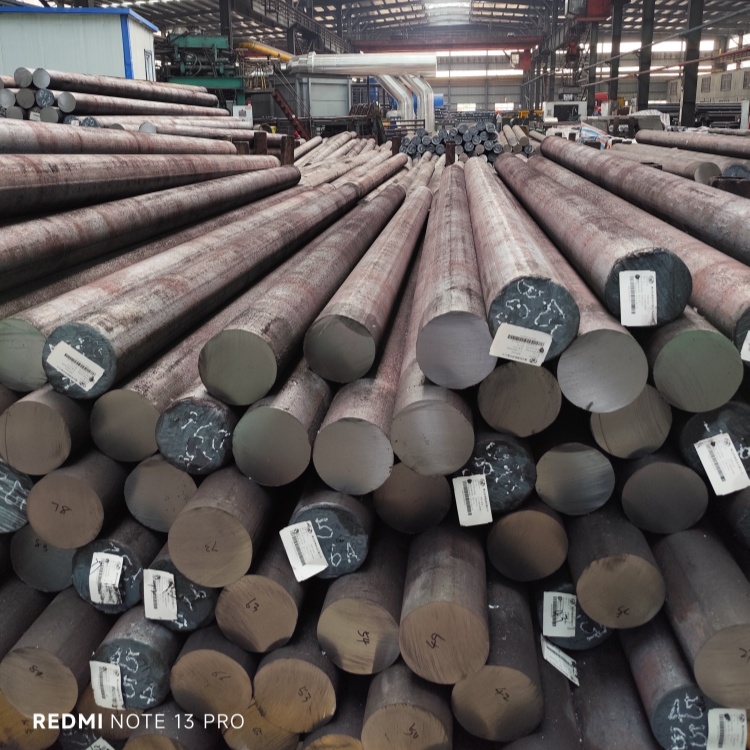
Total steel demand: 6–8 million tons, with 40% being high-strength, corrosion-resistant steel, driving global specialty steel innovation.
Chinese firms (e.g., Dongfang Electric) will supply 240,000 tons of turbine forgings, while CRCHI’s tunnel boring machines require 60,000 tons of alloy steel.
3.2 Green Industrial Clusters Emerging
Tibet’s ultra-cheap green power ($0.04/kWh) attracts low-carbon industries like hydrogen-based steelmaking, creating a "scrap steel → green power → zero-carbon steel" circular economy.
Under the EU’s Carbon Border Adjustment Mechanism (CBAM), Yarlung-produced zero-carbon steel could command a 10–15% premium, boosting China’s export competitiveness.
4. Ecological Balance: Development vs. Conservation
4.1 Environmental Safeguards
Minimum ecological water flow is guaranteed, with fish breeding stations and ecological corridors to protect biodiversity.
4.2 Addressing International Concerns
Refuting claims of "water weaponization," China highlights that the Yarlung contributes only 35% of downstream water flow and helps mitigate floods during monsoons.
5. Investment & Financial Opportunities
Total investment: 170billion∗∗,potentiallycreatinga∗∗170billion∗∗,potentiallycreatinga∗∗100B+ market-cap entity (comparable to China Yangtze Power).
Hydropower’s high profitability (39% net margin) attracts global capital, redefining energy investment strategies.
Conclusion: A Global Model for Sustainable Development
The Yarlung Project exemplifies how mega-infrastructure can serve national development while benefiting the world. By combining technological innovation, transparency, and regional cooperation, it sets a precedent for sustainable hydropower and climate action in the 21st century.
(Data sources: National Energy Administration, UN Water Convention, World Bank, CRU Group)


